
When Leaders Fall: Choosing Healing Over Hurt
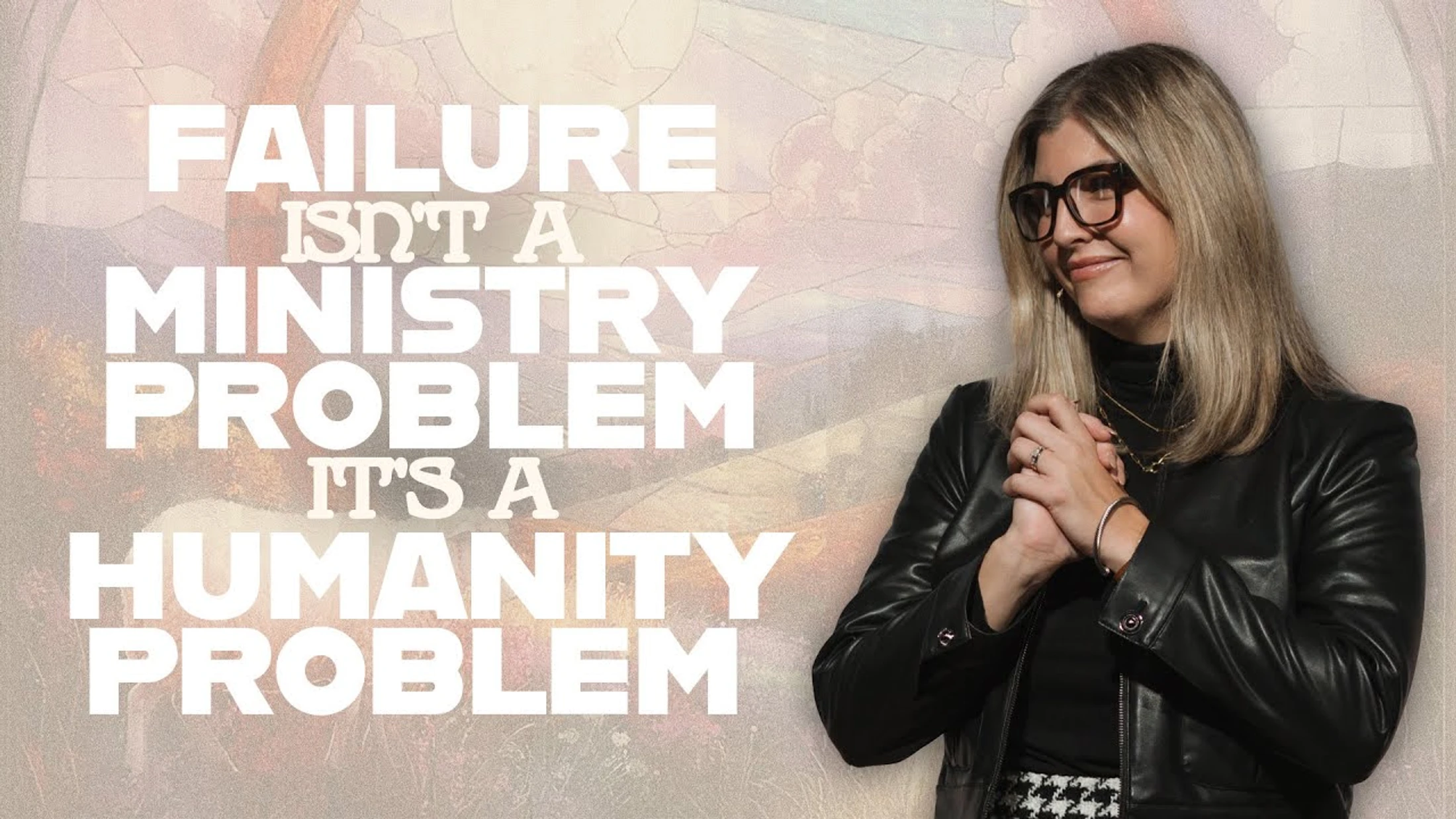
This message confronts one of the most painful realities we face in our faith journey: what happens when leaders fail? Through the powerful story of David and King Saul found in 1 Samuel 24, we're invited to examine not just the failures of others, but the condition of our own hearts in response to betrayal. David had every earthly right to take revenge when Saul hunted him like an animal, yet in that cave moment, he made a choice that would define his character forever. He refused to touch 'the Lord's anointed,' understanding that how we respond to someone's moral failure reveals whether we'll walk in honor or whether our response becomes our own moral failure. The central question isn't whether people will disappoint us—they will—but whether we'll pick up the spear to wound or extend our hand to heal. This isn't about excusing sin or ignoring illegal activity, but about recognizing that bitterness is a prison cell we lock ourselves into. The gap between David's anointing and his appointment was fifteen years of learning to handle betrayal without becoming bitter, to honor those who dishonored him, and to trust God's justice rather than take matters into his own hands. Before we can rule anything in God's kingdom, we must first learn to rule our own hearts. The beautiful truth is that while people will always fail us, Jesus never will, and His mercy triumphs over judgment every single time.
5-Day Devotional: Walking in Honor When Leaders Fall
Day 1: The Test of Betrayal
Reading: 1 Samuel 24:1-7
David stood in the cave with a weapon in hand and opportunity at his feet. His mentor-turned-enemy was vulnerable, and his men whispered permission for revenge. Yet David's conscience convicted him: “The Lord forbid that I should harm the Lord’s anointed.” This moment wasn't about Saul—it was about David's heart. When someone with authority over you fails or betrays you, God watches to see what you'll do with the spear. Will you throw it back, or will you drop it at the cross? Your response to another's failure reveals whether you trust God's justice more than your own. The test isn't about their sin; it's about your surrender.
Reflection: Who has hurt you that you're still holding a spear against?
Day 2: Anointed But Not Yet Appointed
Reading: 1 Samuel 16:1-13
Samuel poured oil over young David's head, marking him as Israel's next king. But fifteen years passed between his anointing and his appointment. During that gap, David tended sheep, fought giants, dodged spears, and hid in caves. God's anointing on your life doesn't guarantee immediate promotion—it guarantees preparation. Before David could rule a nation, he had to learn to rule his own heart. He learned honor in the face of dishonor, patience when justice delayed, and worship in the wilderness. Your season of waiting isn't wasted time; it's sacred preparation. God is forming in you what He plans to release through you.
Reflection: What is God preparing in your character during this season of waiting?
Day 3: Mercy Triumphs Over Judgment
Reading: James 2:12-13
It's easy to stand in judgment when someone else's sin becomes public while ours remains private. We see the headlines, hear the gossip, and feel justified in our criticism. But Scripture reminds us that mercy triumphs over judgment. When leaders fall, our first response shouldn't be commentary—it should be intercession. Before you post, pray. Before you share the story, seek God's heart. The same grace that covers your hidden failures is available for their exposed ones. Jesus looked at those crucifying Him and said, “Father, forgive them.” Can we extend that same spirit? Your criticism might feel righteous, but mercy looks more like Jesus.
Reflection: Are you quicker to judge someone's failure or to pray for their restoration?
Day 4: Don't Touch God's Order
Reading: Romans 13:1-7
When David refused to kill Saul, he wasn't excusing sin—he was protecting God's order. He understood that if God placed someone in authority, only God could remove them. This doesn't mean we tolerate abuse or ignore illegal activity; it means we don't take matters into our own hands. We report what needs reporting, but we don't become judge and executioner. Two wrongs never make a right. When you undermine God-appointed authority through gossip, slander, or rebellion, you're not just attacking a person—you're disrupting divine order. Trust God enough to let Him handle the justice while you handle your heart.
Reflection: Are you honoring the authorities in your life even when you disagree with them?
Day 5: Jesus Never Fails
Reading: Hebrews 13:5-8
People will fail you. Pastors, parents, mentors, friends—all humans are capable of betrayal because all humans are broken. But Jesus Christ is the same yesterday, today, and forever. He will never leave you nor forsake you. When you've been hurt by spiritual leaders, it's tempting to walk away from the church altogether. But don't let someone else's failure cost you your future. You still need community. You still need covering. You still need a pastor. Yes, humans disappoint—but Jesus never will. When you stand before Him, He doesn't rehearse your failures; He reminds you of His faithfulness. Your sins are as far as the east is from the west. Come home.
Reflection: Will you let human failure keep you from divine destiny?