
When Leaders Fall: Choosing Healing Over Hurt
The headlines keep coming. Another leader exposed. Another betrayal revealed. Another person we trusted caught in a web of lies. Whether it's a spiritual leader, a business executive, a coach, or even a family member, the pattern remains devastatingly familiar: someone with influence misuses it, and the fallout leaves wreckage in its wake.
Perhaps you've felt that particular sting of disappointment when someone you looked up to fell from grace. Maybe it wasn't even a public figure—maybe it was your mentor, your boss, your parent, or your spouse. The wound cuts just as deep regardless of who wielded the blade.
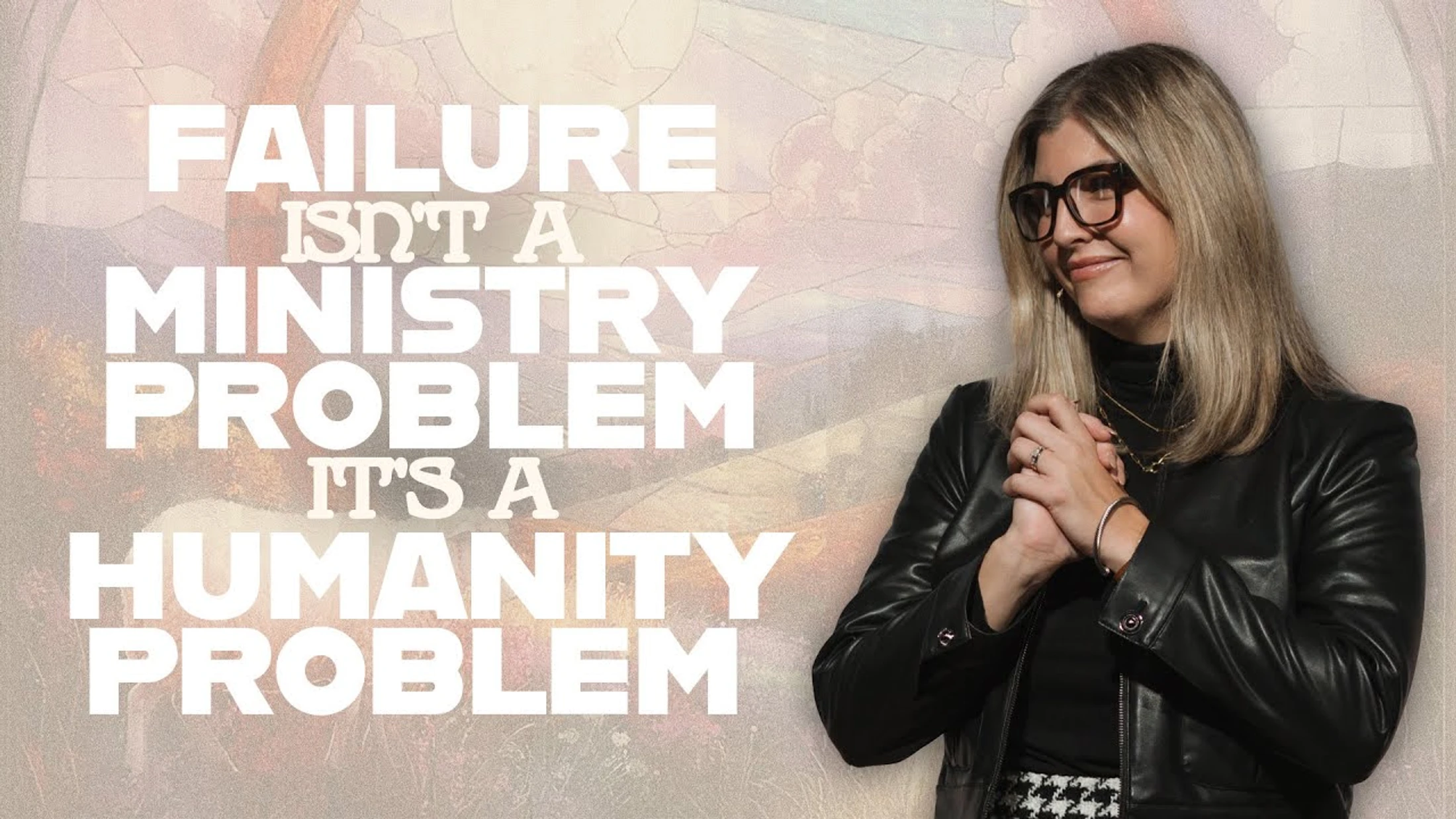
Here's the uncomfortable truth we must face: failure isn't a ministry problem or a corporate problem or even a leadership problem. It's a humanity problem. Anyone with influence can misuse it. Anyone with authority can abuse it. Anyone who is human can and likely will fail at some point.
But here's what matters most: When someone in a position of influence fails, God is watching to see if you will pick up the spear to wound or extend your hand to heal.
The Ancient Story That Still Speaks The biblical account of David and King Saul provides one of the most profound lessons on how to respond when leaders fail. Saul was Israel's first king—anointed by God, chosen to lead the nation. But somewhere along the way, pride, insecurity, and jealousy twisted his heart. Instead of leading with humility, he became consumed with maintaining power.
Enter David—a young shepherd boy who was anointed as Saul's successor. David didn't seek the position; he was simply tending sheep when the prophet Samuel arrived and poured oil over his head, marking him for a divine appointment. David became like a son to Saul, forming a covenant friendship with Saul's son Jonathan. He served faithfully in Saul's court.
But when an evil spirit would overtake Saul, the king would literally hurl spears at David, trying to kill the very person who served him most faithfully. Eventually, David had to flee for his life, hiding in caves while Saul mobilized an entire army to hunt him down.
The Test in the Cave First Samuel 24 records a pivotal moment. David was hiding in a cave with his men when, unknowingly, Saul entered the same cave to relieve himself. David's men whispered urgently: "This is your opportunity! God has delivered your enemy into your hands!"
The moment was perfect for revenge. David could have ended his suffering right there. He could have justified it—after all, Saul had tried to kill him repeatedly. He could have claimed he was simply taking what God had already promised him.
Instead, David crept forward and merely cut off a piece of Saul's robe. Even that small act bothered his conscience. He told his men: "The Lord forbid that I should do this to my lord, the king. I shouldn't attack the Lord's anointed one, for the Lord himself has chosen him."
David understood something profound: The anointing isn't about perfection; it's about position and divine appointment.
Three Truths About Anointing and Authority First, the anointing is not a feeling—it's an appointment. When Samuel poured oil over Saul's head, it wasn't about goosebumps or emotional experiences. It was a divine marking, a heavenly assignment. God said, "This seat belongs to him." David recognized that even though Saul was failing spiritually and emotionally, he still occupied a God-appointed position.
Second, the anointing is about position, not perfection. Neither Saul nor David were flawless. In fact, David later committed adultery and arranged a murder to cover it up—yet God still called him "a man after my own heart." The anointing doesn't mean someone is always right; it means God has chosen to work through them for a specific role.
Third, the anointing doesn't excuse sin, but it does establish order. When David refused to harm Saul, he wasn't protecting Saul's behavior. He was protecting God's order. He was saying, "God put him in that seat, so God will take him out of that seat. I will not take God's place." David refused to commit sin in response to sin.
The Gap Between Anointing and Appointment Here's something crucial to understand: fifteen years passed between David's anointing and his actual appointment as king. Fifteen years of waiting, hiding, being hunted, and learning to trust God's timing rather than taking matters into his own hands.
In that gap, David learned how to handle betrayal without becoming bitter. He learned how to endure slander without defending himself. He learned how to honor a man who dishonored him. He learned how to drop the spears that were thrown at him rather than picking them up and hurling them back.
Before David could rule a nation, he had to learn to rule his own heart.
When Your Response Becomes Your Failure How we respond to someone's moral failure reveals the true condition of our hearts. It exposes whether we'll walk in honor and humility or whether our response becomes our own moral failure.
When those headlines scroll across our screens, what's our first impulse? Do we rush to social media to comment, adding our own speculation to the fire? Do we relish the fall, thinking, "I saw this coming"? Do we become the ones spreading half-truths and gossip, justifying it as "concern"?
The uncomfortable reality is that while we're quick to judge someone else's visible sin, we often ignore the pride, judgment, and bitterness festering in our own hearts. Scripture reminds us that mercy triumphs over judgment.
This doesn't mean we ignore illegal activity or abuse—those must always be reported through proper channels. But there's a vast difference between appropriate accountability and taking pleasure in someone's downfall.
The Prison of Bitterness Mistrust after betrayal can feel like armor protecting us from future hurt. But that armor is actually a prison cell of bitterness that keeps us locked away from the freedom God intends for us.
When we carry bitterness, we're not protecting ourselves—we're poisoning ourselves. We're allowing someone else's failure to create our own spiritual failure. We're giving them continued power over our hearts and futures.
The Gospel of Second Chances Here's the beautiful truth that stands in stark contrast to cancel culture and social media pile-ons: When we stand before Jesus, He doesn't look at our past and say, "I tried to warn you." He looks at us and says, "What are you even talking about? I don't remember what you did. Your sins are as far from the east as to the west."
The same grace we desperately need when we fail is the grace we're called to extend when others fail.
People will always fail us. Leaders will disappoint us. Authority figures will let us down. But Jesus never will. He is the one leader who can be fully trusted, the one authority who will never abuse His position, the one shepherd who laid down His life for the sheep.
Walking Free Today, you have a choice. You can continue carrying the weight of bitterness, or you can set it down. You can pick up the spear, or you can extend your hand. You can allow someone else's failure to define your future, or you can let God's healing oil flow into those wounded places.
The test isn't whether leaders will fail—they will, because they're human. The test is whether you'll respond with the heart of David or the heart of Saul. Will you honor God's order even when people are out of order? Will you trust God's justice instead of taking it into your own hands?
The answer to that question will determine not just how you respond to others' failures, but whether you'll be prepared for your own divine appointment when the time comes.