
The Power of Unity: God's Design for Flourishing Life
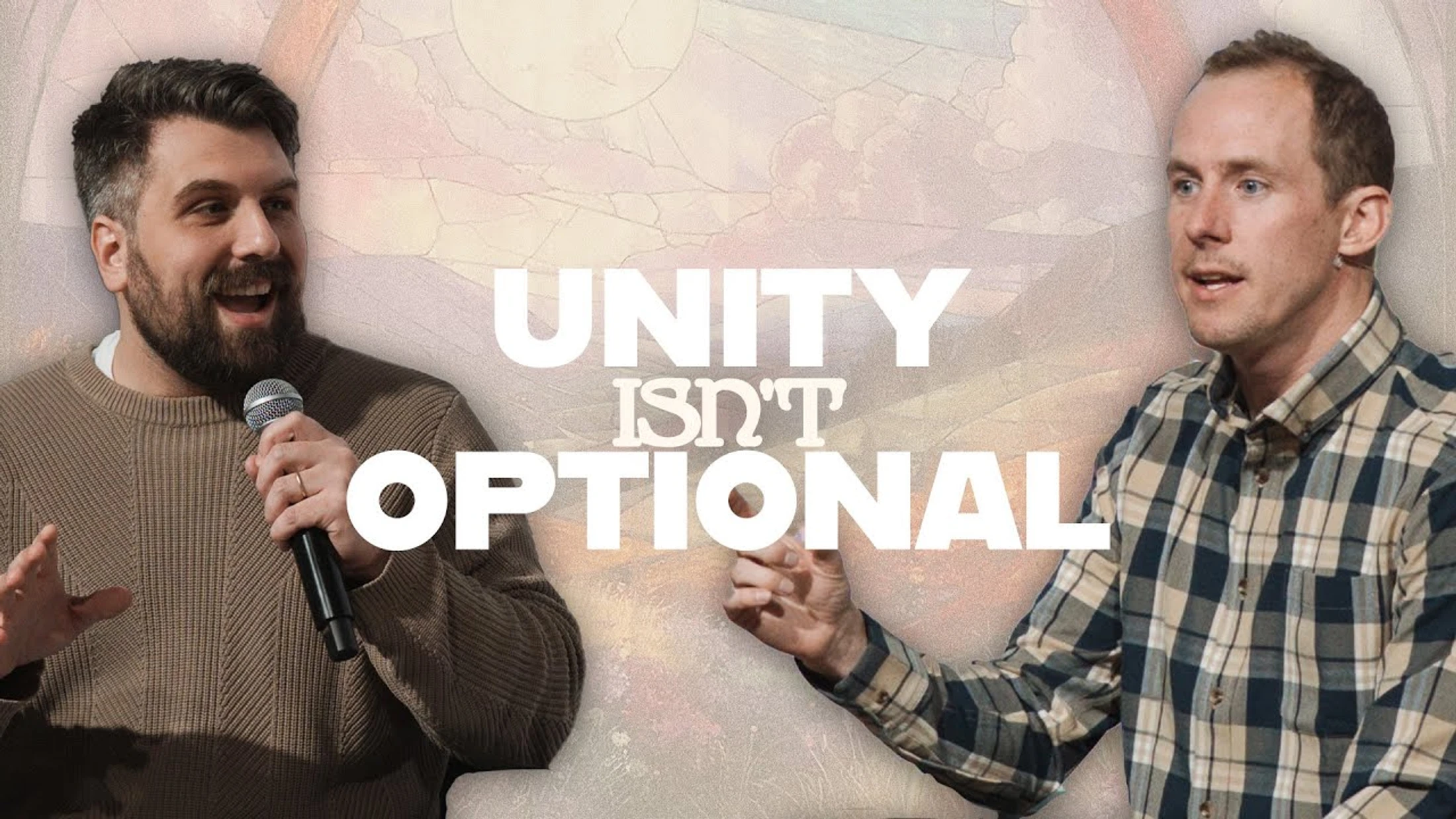
What happens when we invite guests into our homes who completely take over? This humorous Thanksgiving scenario becomes a powerful metaphor for understanding God's design for order and unity. Drawing from the story of King David and his son Absalom in 2 Samuel, we explore how broken relationships and disunity lead to chaos, rebellion, and destruction. David's disobedience in taking multiple wives set off a chain reaction of sexual abuse, murder, and ultimately a military coup led by his own son. Absalom spent four years quietly undermining his father's authority, whispering to the people that he could lead better, eventually dividing the entire kingdom. This ancient story mirrors modern struggles we face in our churches, workplaces, and families. The core message is profound: unity isn't optional—it's God's design. Jesus himself warned that every kingdom divided against itself will fall. When we examine our hearts, we discover that the root of all rebellion is pride—the same sin that caused Adam and Eve to grasp for wisdom on their own terms rather than trusting God's. The pathway forward requires us to show proper respect to everyone, suffer as Christ suffered by submitting to God's order even when it's difficult, and pursue unity with the Father above all else. When we align ourselves with God's design for authority and unity, we don't just survive—we flourish, becoming the light in darkness that can truly transform our world.
5-Day Devotional: Living in God's Design for Unity
Day 1: The Foundation of Unity
Reading: Ephesians 4:1–6
Unity isn't something we create—it's something God designed from the very beginning. Just as God brought order to chaos in creation, He desires to bring order to our relationships through unity. The apostle Paul reminds us that there is "one body and one Spirit." This unity flows from our shared identity in Christ, not from our personal preferences or comfort. When we grasp that unity is God's divine design, not merely a nice suggestion, our perspective shifts. We stop asking, "What do I get out of this?" and start asking, "How can I honor God's design?" Today, reflect on one relationship where you've prioritized your preferences over God's call to unity. What would change if you viewed unity as obedience to God rather than optional?
Reflection: Which relationship have you prioritized your preferences over God's call to unity?
Day 2: Submission as Worship
Reading: 1 Peter 2:13–17
Submission feels countercultural, even uncomfortable. Yet Peter teaches us that submitting to authority "for the Lord's sake" transforms obedience into worship. Notice the key phrase: we submit in "reverent fear of God," not fear of people. When we submit to God-ordained authority—whether in church, workplace, or home—we're ultimately submitting to God's order. This doesn't mean authority figures are perfect; it means God's design is perfect. Jesus, though equal with the Father, submitted to the Father's plan. His submission wasn't weakness; it was love in action. Today, identify one area where you struggle with authority. Ask God to help you see submission not as losing control, but as trusting His sovereign design. How might your attitude shift if you viewed submission as an act of worship?
Reflection: How might your attitude shift if you viewed submission as an act of worship?
Day 3: The Example of Christ's Suffering
Reading: 1 Peter 2:18–25
Jesus suffered unjustly, yet He "made no threats" and "entrusted himself to him who judges justly." This is our blueprint. When we face unfair treatment, our natural response is retaliation or withdrawal. But Christ calls us to a different path—one that mirrors His journey to the cross. He suffered not because He deserved it, but because love compelled Him to fulfill the Father's plan. By His wounds, we are healed. This means our suffering, when endured with faith, participates in Christ's redemptive work. It's not passive acceptance of evil, but active trust in God's justice. Today, consider a situation where you've experienced injustice. Instead of seeking revenge or harboring bitterness, pray for the grace to entrust yourself to God who judges justly. How might your suffering become a testimony of Christ's love?
Reflection: How might your suffering become a testimony of Christ's love?
Day 4: A House United Cannot Fall
Reading: Matthew 12:22–28
Jesus declared, "Every kingdom divided against itself will be ruined." These words expose a spiritual truth: disunity destroys what unity builds. The story of David and Absalom illustrates this powerfully—a divided house led to rebellion, war, and death. In contrast, when God's people stand unified under His authority, we become unstoppable forces for His kingdom. Unity doesn't mean uniformity or the absence of disagreement; it means commitment to God's design above our personal agendas. A unified church can charge the gates of hell. A unified marriage can weather any storm. A unified workplace reflects God's order. Today, examine areas of division in your life. Are you sowing seeds of unity or discord? Choose one relationship where you can actively pursue peace and reconciliation, remembering that unity is the oxygen of spiritual health.
Reflection: Where can you actively pursue peace and reconciliation today?
Day 5: Unity with the Father
Reading: John 17:20–26
In His final prayer before the cross, Jesus prayed for our unity—not just with each other, but with the Father. "That they may be one as we are one." This is the heart of the gospel: Jesus bridged the divide between holy God and sinful humanity. Through His sacrifice, we're invited into the eternal unity shared by the Trinity. The Son loved the Father by submitting to His plan; the Father loved the Son by including Him in redemption's story. We're now part of that story. When we pursue unity with God first, unity with others follows naturally. Our relationships, churches, and communities flourish when rooted in this vertical relationship. Today, spend time in prayer, surrendering your will to the Father's design. Ask Him to reveal areas where you've prioritized your plans over His. Remember: God wants unity with you even more than you desire it. Rest in His pursuing love.
Reflection: What area of your life needs to be surrendered to the Father's design?