
Standing in Authority When Life Feels Out of Control
There's something deeply human about our desire for control. We want to know what's coming, plan our next move, and have contingency strategies ready. Some of us even Google restaurant menus before we leave the house, deciding our meal order before we've buckled our seatbelt. We love the feeling of being prepared, of having everything figured out.
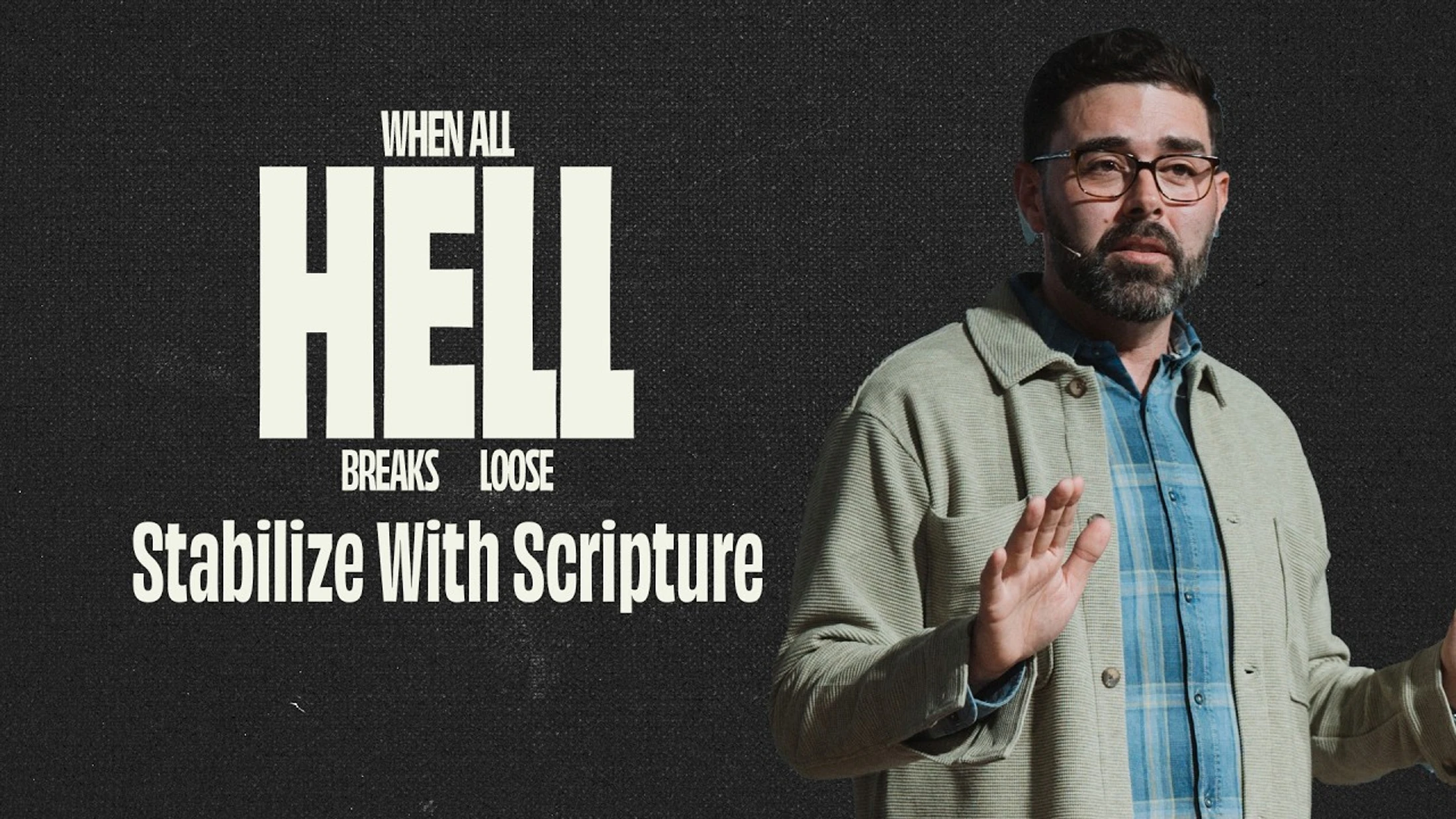
But what happens when life doesn't cooperate with our carefully laid plans? What do we do when the storms come, the diagnosis arrives, the relationship crumbles, or the financial pressure mounts? When all hell breaks loose—and let's be honest, sometimes it does—how do we respond?
The Source of True Authority
The good news is this: you can feel out of control and still stand in authority.
This isn't about positive thinking or manifesting good vibes. It's about understanding where real authority comes from. In Luke 10, when Jesus sent out seventy-two of his followers, they returned excited that even demons submitted to them in his name. Jesus' response was telling: "I have given you authority to trample on snakes and scorpions and to overcome all the power of the enemy."
Notice the source. Jesus gave the authority. It wasn't earned through spiritual performance or emotional intensity. It was delegated from heaven itself.
The Apostle Paul later explained to the church in Ephesus that the same power that raised Jesus from the dead is available to believers. But here's what's remarkable: Paul doesn't just talk about power—he talks about position. Jesus is seated at the right hand of God the Father in the heavenly realms. And where are believers seated? Right there with him.
This isn't nosebleed-section Christianity. This is front-row, VIP access to the throne room of heaven. Not because we deserve it, but because Jesus saved us a seat.
When Authority Meets Crisis
Understanding our position is one thing. Knowing how to operate in it when chaos erupts is another.
Think about how Jesus operated in his authority. When storms raged, he didn't panic—he spoke. When demonic forces manifested, he didn't negotiate—he commanded. When his friend Lazarus died, he didn't wring his hands in despair—he called him out of the grave with his voice.
Jesus' authority was displayed through his words, through targeted, powerful communication with heaven.
For us, this looks like prayer. Not the kind of prayer where we present God with a PowerPoint deck explaining our situation and offering him a menu of solutions we've already approved. Not the kind where we create spreadsheets for the Almighty to review over the weekend.
Real, authoritative prayer recognizes that our feelings don't determine our authority—our source does.
Becoming a Victorious, Impactful Prayer Warrior
How do we pray with the authority we've been given? Three essential principles emerge:
1. Pray from Identity, Not with Information
Too often, our prayers sound like status reports: "God, here's what's happening in my life right now. Let me explain the situation to you."
But God doesn't need information. He already knows. What we need is to remember who we are and whose we are.
When the enemy tempted Jesus in the wilderness, notice his strategy. Every temptation began with "If you are the Son of God..." He wasn't challenging Jesus' hunger or ambition. He was challenging Jesus' identity, his sonship.
Jesus responded by anchoring in who he was and praying the written Word of God.
Our first move in crisis shouldn't be "God, why is this happening?" It should be "Father, thank you that I'm your son, your daughter."
2. Pray as Victors, Never Victims
In Numbers 13-14, Moses sent twelve spies to scout out the Promised Land. Ten came back with victim prayers: "We're doomed! The people are giants! We're grasshoppers in comparison!"
But Joshua and Caleb saw the same situation through a different lens. They acknowledged the challenges but responded from a position of victory: "Yes, the land is big and the people are big, but our God is bigger."
Your prayer life reveals whether you think you're fighting for survival or whether you know you've already won.
Instead of "God, I'm overwhelmed," try "God, this is heavy, but you are greater in me than what is coming against me" (1 John 4:4).
Instead of "The enemy is attacking everything," declare "The enemy has already been disarmed and defeated at the cross by the finished work of Jesus Christ" (Colossians 2:15).
3. Pray from Position, Not from Panic
Jesus never panicked. When the storm raged while he slept in the boat, he didn't wake up anxious. He simply spoke: "Peace, be still."
Before Lazarus emerged from the tomb, Jesus thanked God the Father—before the outcome was visible. He had confidence because he understood his position of authority.
Position-based prayer doesn't plead with darkness from weakness. It declares light from delegated authority.
You don't ask the devil to leave politely. You say, "In the name of Jesus, you have no authority here. It's time to go."
The Prayer Jesus Taught Us
When Jesus taught his disciples to pray, he gave them a framework that embodies these principles. "Our Father" begins with identity—a declaration that we are sons and daughters of the King.
"Your kingdom come, your will be done" follows immediately with submission. We're not demanding our way; we're surrendering to his.
"Give us this day our daily bread" acknowledges dependence. "Forgive us our trespasses" recognizes we can't earn salvation. "Deliver us from evil" celebrates that victory is already the Lord's.
This prayer starts with identity, moves through submission, and stands in authority.
Letting Go to Stand Firm
God is inviting us to something uncomfortable: to let go of the illusion of control we think we have over our lives and trust him fully with things that are already his to begin with.
Think about the area where you're gripping tightest right now. The career you're trying to force forward. The relationship you're desperately attempting to fix. The health diagnosis you're white-knuckling through.
What would it look like to loosen your grip? To say, "Lord, I surrender. I let go. I trust it to you. Not my control. Not my timeline. Not my plan. Your kingdom come. Your will be done."
This isn't weakness. This is the pathway to standing in real authority.
Because before you can stand in the authority of Christ, you must first submit to the authority of Christ.
And when you do—when you anchor in your identity, pray as a victor, and operate from your God-given position—you'll discover something remarkable: even when you feel completely out of control, you can still stand in unshakeable authority.
The authority isn't yours. It's his. And that's exactly what makes it powerful.