
The Power of Staying Planted: How Deep Roots Lead to Flourishing Faith
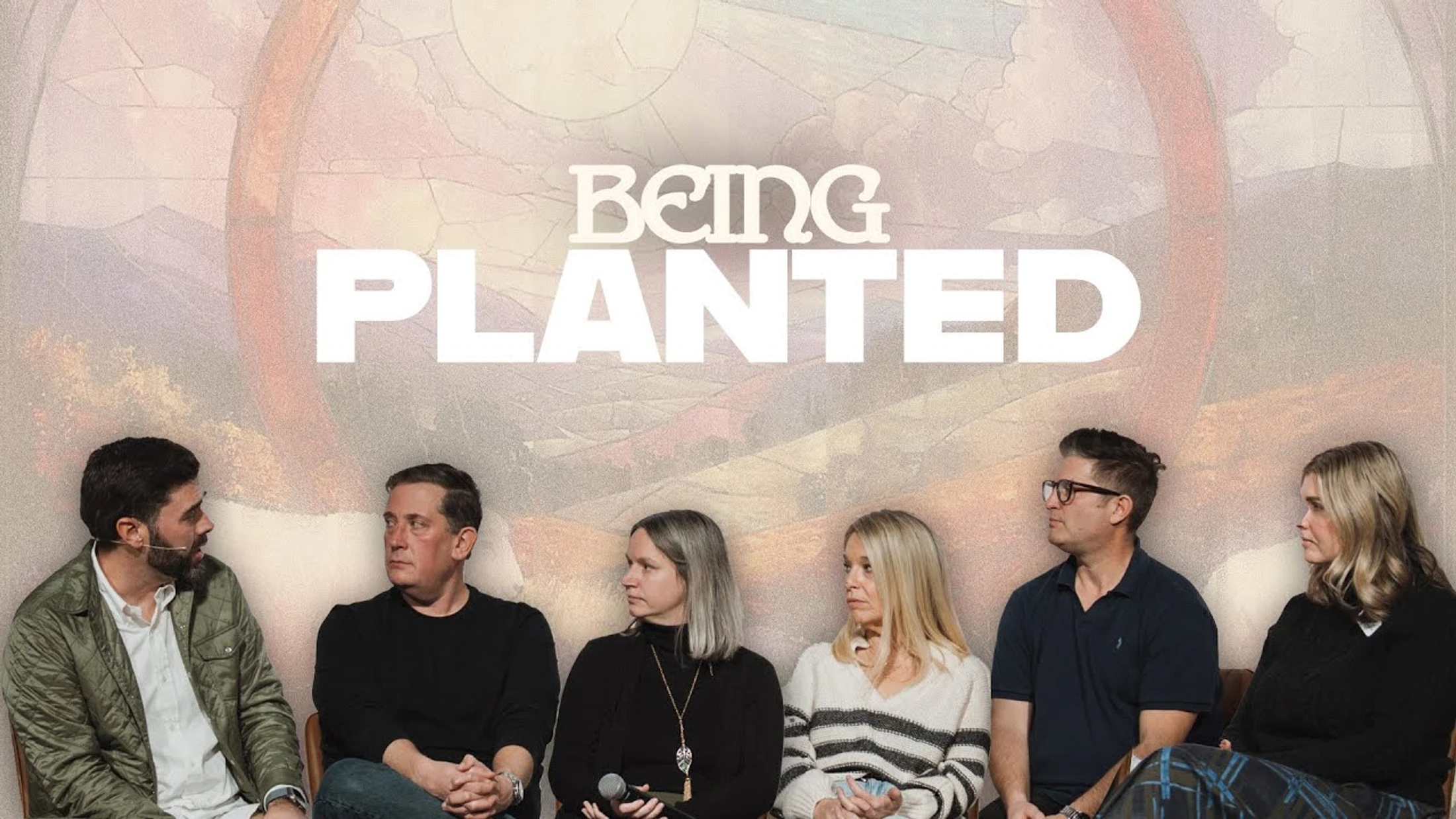
In a world that celebrates constant motion and endless pursuit of the next best thing, we've created an idol out of busyness. We've convinced ourselves that flourishing comes from staying in perpetual motion, from constantly seeking new experiences, new communities, new opportunities. But what if we've gotten it completely backward?
The ancient wisdom of Psalm 92:13-14 paints a radically different picture: "For they are transplanted to the Lord's own house. They flourish in the courts of our God. Even in old age, they will still flourish. They will still bear fruit and they will remain vital and green."
Notice what produces flourishing in this passage. It's not movement. It's not the pursuit of novelty. It's being transplanted and remaining rooted in God's house.
The Challenge of Change Every community of faith goes through seasons—slow seasons and fast seasons, growing seasons and pruning seasons. Buildings change. Leaders transition. Ministries evolve. People come, and people go. These changes can feel unsettling, even threatening to our sense of stability.
When change comes, we face a critical choice: Will we uproot ourselves in search of something more comfortable, or will we allow our roots to grow deeper?
For those who embrace change rather than flee from it, something remarkable happens. They discover that what seemed impossible five years ago becomes reality. They witness miracles unfold not because they had all the answers, but because they "put their heads down and served." When they finally lift their heads, they're standing in the middle of something that can only be described as God's work.
The Fruit of Staying Rooted What does it actually look like to remain planted through seasons of change? The stories are as varied as the people who live them.
For some, it meant choosing to drive thirty minutes each Sunday with a newborn rather than finding something more convenient. It meant wrestling with the question: Do we double down on this community, or do we pivot now? The decision to stay wasn't about convenience—it was about family, about wanting their children to grow up surrounded by people who would speak into their lives, who would be there in the hard moments.
For others, it meant coming to a new place wounded and uncertain, not knowing what the future held. Through the covering and care of spiritual leadership, they found healing. They stepped into their calling. They learned that giving God their best yes—even when it required stepping out of comfort zones—brought rewards beyond their desires.
The fruit of staying planted shows up in unexpected ways:
In family life: Children who ask, "That's Pastor Tyler?" when looking at wedding photos. Kids who insist on going to church even when their parents aren't there. Siblings fighting over which worship song to listen to in the car.
In crisis moments: When secondary infertility threatens to derail dreams of a second child, an entire church body prays the night before a final medical procedure. Against the odds, that baby comes. When grief threatens to destroy faith after the unexpected loss of both parents, a community surrounds and holds you up when you cannot stand alone.
In spiritual growth: Faith that seemed fully developed continues to expand in ways you didn't know were possible. You discover depths of trust you didn't know you needed.
In relationships: The technology that connects us to those who have moved on is wonderful, but it also makes room for new faces, new friendships, new opportunities to know and love others in the body of Christ.
The Gift of Earned Trust Longevity in community creates something precious: earned trust. When you stay through the hard seasons, through the changes, through the uncertainties, you earn the right to speak truth into others' lives. You become someone who can offer correction when needed, encouragement when it's lacking, and celebration when victories come.
This is the beauty of being an active member of the body of Christ rather than simply a consumer of religious services. You're not just sitting in a row each week. You're contributing. You're serving. You're allowing God to work through you in ways that impact others' lives.
Two Phrases Worth Remembering If there's anything to take away from the stories of those who have flourished by staying planted, it's these two powerful principles:
Give God your best yes.
Not a hesitant yes. Not a conditional yes. Not a yes-if-everything-works-out-the-way-I-want yes. Your best yes. The kind of yes that steps into the unknown because you trust the One who called you there.
Be patient, and you just might see a miracle.
When doubt creeps in—and it will—patience becomes your greatest asset. Before you make that U-turn, before you head down a different path, pause. Wait. See what happens. You might just witness something that can only be explained as God's miraculous work.
The Difference Between Religion and Belonging There's a profound difference between being religious and being an active member of the body of Christ. You can attend services week after week, go through the motions, stand up and sit down on cue, and remain essentially alone. When crisis comes, that kind of religious practice often crumbles.
But when you belong to a body, when you're truly planted in a community of faith, you have something to hold onto when your world falls apart. You have people who will drive hours to stand with you in your grief. You have a support system that doesn't just sympathize but actually carries you through the valley.
This is what it means to flourish in the house of God. This is what it looks like to remain vital and green even into old age. It's not about perfection. It's not about having all the answers. It's about staying rooted, allowing your faith to grow deeper rather than wider, and trusting that God is building something beautiful through your faithfulness.
The invitation stands before each of us: Will we chase after the next thing, or will we allow our roots to grow deep where we've been planted? The choice we make will determine whether we merely survive or truly flourish in our faith journey.