
Finding Your Rhythm: The Ancient Practice of Sabbath Rest
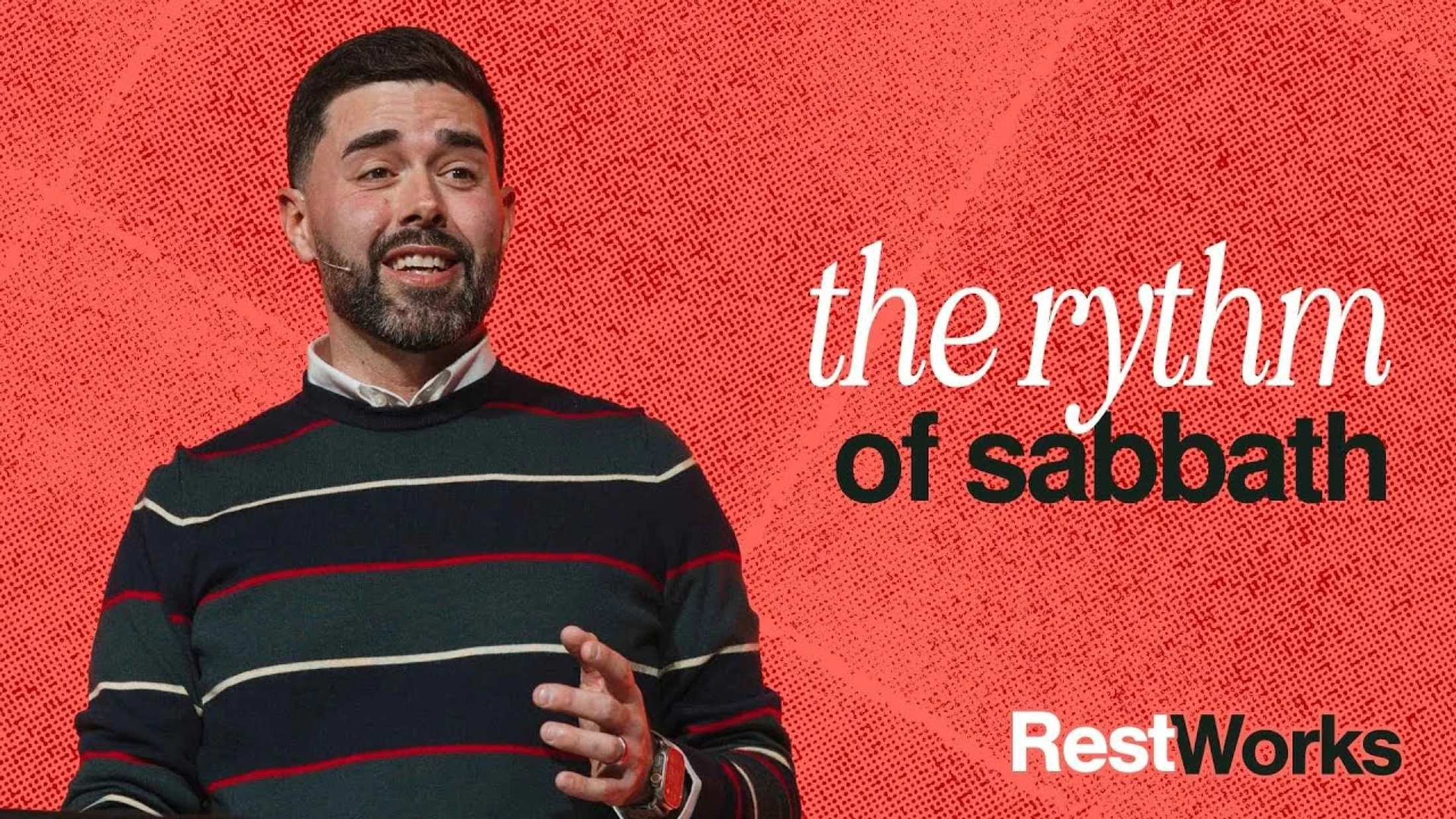
In our modern world of endless to-do lists, overflowing inboxes, and 24/7 connectivity, the idea of stopping seems almost radical. Yet buried in the ancient rhythms of faith lies a practice that might be exactly what our exhausted souls need: the Sabbath.
But here's the thing—Sabbath isn't about keeping a rule. It's about keeping a rhythm.
Before the Rule, There Was a Rhythm Long before Moses descended from Mount Sinai with stone tablets, long before the Ten Commandments were ever etched into rock, God established a pattern. In the very beginning, during those first days of creation, God worked for six days—forming mountains, creating animals, breathing life into humanity—and then He did something surprising: He rested.
This wasn't because God was tired. The Creator of the universe doesn't need a nap. Rather, He was establishing a rhythm, modeling a pattern that would echo through all of human history. Work. Rest. Work. Rest. This divine cadence predates religious obligation. It's woven into the fabric of existence itself.
Consider this: Abraham, Isaac, and Jacob—the great patriarchs of faith—were never commanded to keep the Sabbath. There's no biblical record of them observing a day of rest. Why? Because the rhythm existed before the rule was ever spoken.
When the Rhythm Was Lost Fast forward through biblical history to the Israelites enslaved in Egypt. For generations, God's chosen people labored under the crushing weight of Pharaoh's empire. The Egyptian system was brutal in its simplicity: work more, work harder, never stop. The rhythm of rest became not just forgotten but impossible.
When Moses asked Pharaoh to let the people go into the wilderness to worship and rest, the request so enraged the king that he increased their workload while removing the resources they needed. The very idea of rest was treated as rebellion.
After their miraculous exodus, as the Israelites wandered in the wilderness, God began to reintroduce His rhythm. Every day, He provided manna—bread from heaven—enough for that day only. But on the sixth day, something different happened. God provided double the portion so they would have enough for the seventh day, when He commanded them to rest.
This is beautiful: God didn't introduce the Sabbath as legislation they had to follow. He showed it as provision they could partake of. He said, in essence, "When it's time to rest, I want you to embrace this rhythm—not because you don't have enough, but because I want you to know that I am enough."
The Commandment Was a Reminder When the Ten Commandments finally came, commandment number four said: "Remember the Sabbath day and keep it holy." Notice that word: remember. God wasn't introducing something new. He was reminding them of what had already been embedded into their reality.
We often read "remember" as looking forward—remember because in seven days it's coming again. But God was actually pointing backward—remember the rhythm I've already established, remember when I provided for you in the wilderness, remember that rest is part of how I designed you to live.
The Tension of Standing Still Here's the uncomfortable truth: when you embrace the rhythm of Sabbath, it's going to make you incredibly uncomfortable. And if it doesn't, you might not be doing it right.
Think about a lazy river at a water park. When you're floating with the current, everything feels smooth and effortless. But try standing up, planting your feet, and standing still. Suddenly you feel the pressure, the resistance, the force of everything moving around you.
That's exactly what Sabbath feels like in our culture. The current of our world screams: work more, produce more, never stop, you are what you accomplish, if you don't do it nobody will. When you plant your feet and choose to rest, you're standing against that powerful current.
But here's the key: God never commanded us to change the current of culture. He only commanded us to stand still for a moment as that current continues to pass by.
Sabbath as a Tuner While the culture of constant productivity will accuse you—telling you you're not enough, you're lazy, you're irresponsible—Sabbath will never accuse you. Sabbath will only align you.
Sabbath rest acts as a tuner, exposing the parts of your life that are out of tune and revealing the parts that only God can fix. It will reveal your need for control that you cannot fix on your own. When you refuse the rhythm of rest and take on the responsibility of producing everything yourself, you've only revealed how little you actually trust God and how much faith you've placed in yourself.
Sabbath will also reveal confusion in your identity. Our culture defines us by what we do and how much we produce. But remember when Jesus was baptized in the Jordan River? Before He preached a single sermon, before He performed one miracle, God's voice from heaven declared: "This is my son, in whom I am well pleased." Jesus had done nothing yet, but God was already pleased with Him.
Your identity isn't found in what you do anymore. It's in who you belong to.
Finally, Sabbath will reveal your scramble for security. So many of us work harder and do more because we're convinced we're the only ones who can do it. But that's a false security system, like building a house on sinking sand. Eventually, it all comes crashing down.
The Sabbath Experiment So here's an invitation: try the Sabbath experiment. Pick a 12 to 24-hour period and make a choice to stop. Do four things:
Remove the thing that makes you feel indispensable—that thing you've convinced yourself that if you don't do it, your world will crumble.
Restore something to your life that brings you joy.
Remember what happened as a result. Write it down honestly, even if it's uncomfortable.
Redo it again in seven days.
Run this experiment at least four times. Then look at your data. Look at your world, your family rhythms, your health, the things that were offbeat coming back into alignment.
A Rhythm, Not a Rule Your Sabbath doesn't have to look like anyone else's. The rhythm is what matters, not the rigid adherence to someone else's schedule. If you have young children, your rest might look different than someone whose kids are grown. Your day might include activities that bring joy rather than sitting still on a couch.
The point isn't perfection. It's about learning that when you stop working, God keeps working. When you take your hands off, God keeps the rhythm going. And He doesn't do it to shame you or show you what you're not capable of—He does it to invite you back into the rhythm He established from the very beginning.
Remember: it's not about keeping God's rule. It's all about keeping God's rhythm.
What if God really does work when you intentionally rest? There's only one way to find out.